Category: Uncategorized

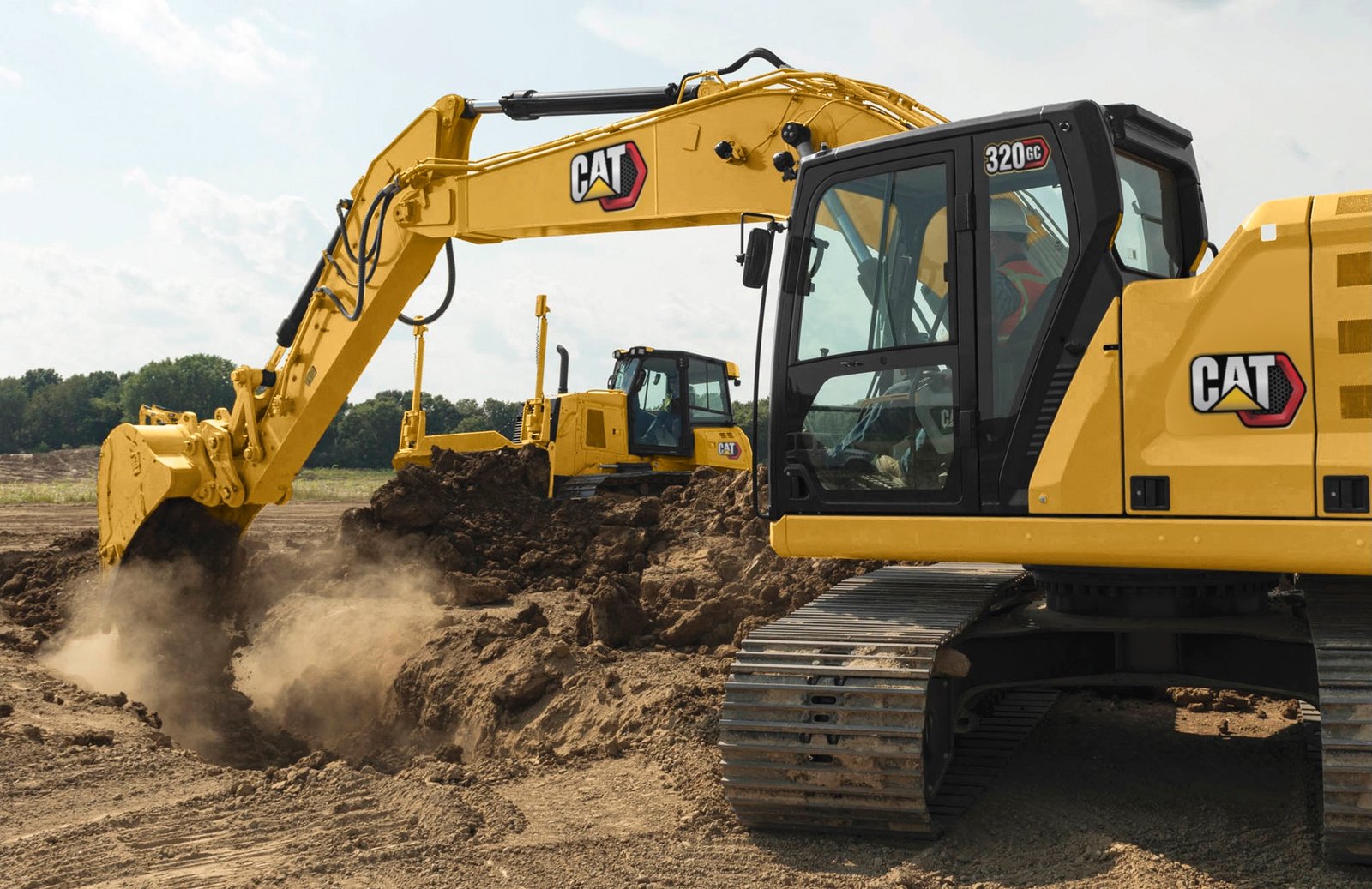
  • CAT 320 Excavator: Specs, Features, Uses, and Buying Guide

    fsg
    CAT 320 @ louisianacat.com

    The CAT 320 is one of the best-known excavator models in Caterpillar’s lineup and is widely used for excavation, construction, utility work, and other demanding applications.

    If you’re considering buying, renting, or operating a CAT 320, understanding its capabilities is important before making a decision.

    In this guide, we’ll look at what the CAT 320 is, what it’s designed for, its major features, common applications, and what to consider when buying a used one.

    What Is the CAT 320?

    The CAT 320 is a full-size hydraulic excavator designed for a wide range of construction applications.

    It’s considerably larger and more powerful than a mini excavator, making it better suited for production excavation, larger utility projects, site preparation, and other jobs where digging performance and productivity are important.

    The 320 name has been used across multiple generations of Caterpillar excavators, so specifications can vary significantly depending on the model year and exact configuration.

    That is important when comparing machines for sale.

    A newer CAT 320 should not automatically be assumed to have the exact same specifications as an older 320.

    What Is the CAT 320 Used For?

    The CAT 320 is a versatile excavator that can be used for many types of work.

    Common applications include:

    • Site preparation
    • Foundation excavation
    • Utility installation
    • Trenching
    • Road construction
    • Land clearing
    • Material handling
    • General excavation
    • Demolition with appropriate attachments

    The machine can also use different buckets and hydraulic attachments depending on its configuration.

    CAT 320 Size

    The CAT 320 is a full-size excavator, but its exact dimensions and operating weight depend on the specific generation and configuration.

    Important specifications to check when comparing machines include:

    • Operating weight
    • Engine power
    • Maximum digging depth
    • Maximum reach
    • Bucket capacity
    • Tail swing
    • Transport width
    • Transport height
    • Hydraulic flow
    • Ground clearance

    If you’re buying a used CAT 320, always verify the specifications for the exact serial number and model configuration rather than relying on a generic specification sheet.

    CAT 320 Engine

    The engine configuration varies depending on the generation of the CAT 320.

    When evaluating a machine, don’t just look at horsepower.

    Also consider:

    • Engine hours
    • Maintenance history
    • Fuel consumption
    • Service records
    • Emissions configuration
    • Previous applications
    • Major engine repairs

    A machine with a strong service history can be much more attractive than one with fewer hours but poor maintenance records.

    CAT 320 Hydraulic System

    Hydraulic performance is one of the most important aspects of any excavator.

    The hydraulic system powers functions including:

    • Boom movement
    • Stick movement
    • Bucket movement
    • Swing
    • Travel
    • Hydraulic attachments

    When inspecting a used CAT 320, test all major hydraulic functions.

    Look for:

    • Slow movement
    • Weak digging force
    • Jerky operation
    • Hydraulic leaks
    • Excessive noise
    • Cylinder leakage
    • Unusual hydraulic behavior

    If you’re purchasing a machine, consider having an experienced technician perform a complete hydraulic inspection.

    CAT 320 Bucket Options

    The right bucket can make a significant difference in productivity.

    Depending on the application, a CAT 320 may be configured with different bucket types.

    Examples include:

    • General-purpose digging buckets
    • Heavy-duty buckets
    • Rock buckets
    • Grading buckets
    • Specialized buckets

    The best bucket depends on the material you’re excavating and the type of work you’re performing.

    Using an inappropriate bucket can reduce productivity and increase wear.

    CAT 320 Attachments

    One of the biggest advantages of an excavator like the CAT 320 is the ability to use different attachments.

    Depending on the machine’s hydraulic configuration, applications can include:

    • Hydraulic breakers
    • Thumbs
    • Grapples
    • Augers
    • Compaction attachments
    • Shears
    • Specialized demolition tools

    Before purchasing an attachment, verify that it is compatible with the excavator’s hydraulic flow, pressure, weight, and mounting system.

    CAT 320 vs. Smaller Excavators

    One reason contractors choose a machine like the CAT 320 is productivity.

    Compared with smaller excavators, a full-size machine can generally move more material and handle larger excavation tasks.

    However, bigger isn’t always better.

    A CAT 320 requires:

    • More transportation capacity
    • More working space
    • More fuel
    • Greater operating costs
    • A larger jobsite

    For smaller residential projects, a mini or mid-size excavator may be much more practical.

    The right machine depends on the job.

    CAT 320 Fuel Consumption

    Fuel consumption varies depending on the specific model, operating conditions, workload, operator behavior, attachments, and machine settings.

    Instead of assuming one universal fuel-consumption number, consider your actual application.

    An excavator performing light work will have different fuel consumption from one performing continuous heavy production digging.

    When calculating ownership costs, include:

    Fuel + maintenance + repairs + transportation + operator + downtime

    That gives you a more realistic picture of what the machine costs to operate.

    Buying a Used CAT 320

    A used CAT 320 can be an attractive option for contractors who want the capabilities of a full-size excavator without paying the price of a new machine.

    But careful inspection is essential.

    Check the Hour Meter

    Hours provide useful information, but they shouldn’t be the only factor you consider.

    Look at the hours alongside:

    • Machine age
    • Maintenance history
    • Previous work
    • Overall condition
    • Component replacements

    Inspect the Undercarriage

    If the machine is tracked, inspect:

    • Track chains
    • Track shoes
    • Rollers
    • Idlers
    • Sprockets

    Undercarriage repairs can be expensive.

    Check the Hydraulic System

    Look for leaks and test the machine under load.

    Make sure the boom, stick, bucket, swing, and travel functions operate properly.

    Inspect the Boom and Stick

    Look carefully for:

    • Cracks
    • Weld repairs
    • Bends
    • Structural damage
    • Excessive wear

    Check Pins and Bushings

    Excessive play in the front linkage can indicate significant wear.

    Repairs can become expensive if several components need attention.

    Review Maintenance Records

    Ask the seller for service documentation.

    Look for evidence of:

    • Regular oil changes
    • Filter replacement
    • Hydraulic service
    • Undercarriage work
    • Major component repairs
    • Scheduled maintenance

    A documented history can significantly improve your confidence in a used machine.

    How Much Does a CAT 320 Cost?

    There isn’t one price for a CAT 320.

    Prices vary based on:

    • Model year
    • Exact configuration
    • Operating hours
    • Condition
    • Attachments
    • Location
    • Market demand
    • Maintenance history

    A newer low-hour machine can cost substantially more than an older high-hour machine.

    When comparing prices, make sure you’re comparing similar configurations.

    A machine advertised at a lower price may have different attachments, hours, or specifications.

    CAT 320 vs. Komatsu PC210

    The CAT 320 is often compared with machines such as the Komatsu PC210.

    Both are popular choices in the full-size excavator category.

    When comparing them, don’t focus only on brand reputation.

    Compare:

    • Purchase price
    • Operating weight
    • Engine power
    • Digging depth
    • Reach
    • Hydraulic performance
    • Fuel consumption
    • Maintenance
    • Parts availability
    • Dealer support
    • Resale value

    Your local dealer can be one of the most important factors.

    If one manufacturer has substantially better support in your area, that may influence the total cost of ownership more than small differences in specifications.

    Is the CAT 320 a Good Excavator?

    For the right application, the CAT 320 can be an excellent choice.

    It’s designed for demanding construction work and offers the versatility expected from a full-size excavator.

    However, whether a particular CAT 320 is a good purchase depends on the specific machine.

    A poorly maintained excavator with low hours can be a bad investment.

    A higher-hour machine with excellent maintenance and major components in good condition can potentially be a much better deal.

    Final Thoughts

    The CAT 320 is a versatile full-size excavator suitable for a wide range of construction applications.

    If you’re considering buying one, don’t judge the machine based solely on its brand, model number, or hour meter.

    Look at the exact model, specifications, maintenance history, condition, dealer support, operating costs, and expected resale value.

    And if you’re buying used, get the machine inspected before making a major purchase.

    The CAT 320 may be the right excavator for your business—but the condition of the individual machine matters just as much as the name on the side.

  • Skid Steer vs. Compact Track Loader: What’s the Difference?

    If you’re looking for a compact machine that can handle a wide variety of construction and landscaping jobs, you’ve probably come across skid steer loaders and compact track loaders.

    At first glance, they look very similar.

    Both are compact, highly maneuverable, and capable of using a wide range of attachments.

    So what’s the difference?

    The biggest difference is simple:

    A skid steer uses wheels, while a compact track loader uses tracks.

    That seemingly small difference can have a major impact on how each machine performs.

    Skid Steer vs. Compact Track Loader at a Glance

    FeatureSkid SteerCompact Track Loader
    UndercarriageTiresTracks
    ManeuverabilityExcellentExcellent
    Soft groundGoodExcellent
    Hard surfacesExcellentGood
    TractionGoodExcellent
    Ground pressureHigherLower
    MaintenanceGenerally simplerGenerally more involved
    Turf impactCan be higherCan be lower in suitable conditions
    Typical useConstruction, material handling, snowDirt work, grading, landscaping, construction

    Neither machine is universally better.

    The right choice depends on the type of work you do.

    What Is a Skid Steer?

    A skid steer is a compact loader that uses four wheels.

    One of its defining characteristics is its ability to turn by changing the speed and direction of the wheels on each side.

    This allows the machine to turn within a very small area.

    Skid steers are commonly used for:

    • Material handling
    • Landscaping
    • Construction
    • Snow removal
    • Demolition
    • Grading
    • Utility work

    They can also use a huge variety of attachments.

    Skid Steer Attachments

    One of the biggest advantages of a skid steer is its versatility.

    Depending on the machine, you can use attachments such as:

    • Buckets
    • Pallet forks
    • Augers
    • Trenchers
    • Brush cutters
    • Grapples
    • Snow blades
    • Cold planers
    • Sweepers

    Instead of owning several specialized machines, a contractor can sometimes use one skid steer with different attachments to perform many jobs.

    What Is a Compact Track Loader?

    A compact track loader, often called a CTL, looks similar to a skid steer but uses tracks instead of tires.

    The tracks distribute the machine’s weight over a larger area.

    This generally reduces ground pressure and improves performance on soft or uneven terrain.

    CTLs are commonly used for:

    • Dirt work
    • Landscaping
    • Grading
    • Land clearing
    • Forestry
    • Construction
    • Utility work

    Which Has Better Traction?

    Generally, a compact track loader has an advantage when operating on soft, loose, muddy, or uneven ground.

    The tracks provide a larger contact area and can help the machine maintain traction.

    However, a skid steer can perform extremely well on many hard surfaces and is often a better fit for applications where frequent travel on firm ground is required.

    Which Is Better for Mud?

    If you’re regularly working in muddy or soft conditions, a compact track loader is usually the better choice.

    Its tracks spread the machine’s weight over a larger footprint.

    That can help it stay on top of soft ground rather than sinking as easily as a wheeled machine.

    But there are limits.

    Extremely wet conditions can challenge any machine, and operating a CTL in poor conditions can still cause significant wear and cleanup requirements.

    Which Is Better for Concrete and Hard Surfaces?

    This is where the skid steer can have an advantage.

    Wheeled skid steers are well suited to hard surfaces.

    They’re often used around:

    • Concrete
    • Asphalt
    • Gravel
    • Construction yards
    • Warehouses
    • Hard-packed job sites

    Tracks can wear more quickly when repeatedly operated on abrasive hard surfaces.

    If most of your work takes place on pavement or concrete, a skid steer may be the more practical choice.

    Which Is Better for Landscaping?

    It depends on the job.

    If you’re grading soil, moving dirt, and working on soft ground, a CTL can be an excellent choice.

    Its lower ground pressure can also be helpful when working on finished surfaces where minimizing ground disturbance matters.

    However, if you’re primarily moving materials around hard surfaces, a skid steer may make more sense.

    Always consider the specific surface, conditions, and attachment you’ll be using.

    Which Has Lower Operating Costs?

    There’s no universal winner.

    Skid steers generally have a simpler wheeled undercarriage.

    Compact track loaders have tracks and additional undercarriage components that can require significant maintenance as they wear.

    However, operating cost depends on much more than the undercarriage.

    Consider:

    • Fuel consumption
    • Tire or track wear
    • Maintenance
    • Attachment usage
    • Operating conditions
    • Machine utilization
    • Downtime
    • Repairs

    A machine that costs slightly more to operate can still be the better investment if it allows you to complete jobs faster.

    Which Is More Versatile?

    Both are extremely versatile.

    The deciding factor may come down to your attachments and working environment.

    A skid steer with a bucket, forks, auger, trencher, and snow blade can perform a huge variety of tasks.

    A CTL can use many of the same attachment categories while providing additional traction and flotation.

    Before buying either machine, check the hydraulic requirements of the attachments you intend to use.

    Which One Should You Buy?

    Ask yourself where the machine will spend most of its time.

    Choose a skid steer if:

    • You primarily work on firm surfaces
    • You need excellent maneuverability
    • You frequently move materials
    • You work around concrete or asphalt
    • You want a wheeled machine
    • Lower undercarriage complexity is important

    Consider a compact track loader if:

    • You regularly work in soft ground
    • You need additional traction
    • You do a lot of dirt work
    • You work on uneven terrain
    • You perform landscaping or grading
    • Lower ground pressure is important

    What About Snow Removal?

    Skid steers are extremely popular for snow removal.

    Their maneuverability, wheeled design, and ability to use snow blades, blowers, and pushers make them useful for clearing parking lots and other areas.

    Compact track loaders can also be used for snow work, but whether they’re the better choice depends on the surfaces and conditions where you’ll operate.

    What About Buying Used?

    If you’re shopping for a used skid steer or CTL, inspect the machine carefully.

    For a skid steer, pay particular attention to:

    • Tires
    • Wheels
    • Hydraulic system
    • Lift arms
    • Engine
    • Attachment coupler
    • Hydraulic hoses

    For a compact track loader, pay particular attention to:

    • Tracks
    • Rollers
    • Idlers
    • Sprockets
    • Undercarriage
    • Hydraulic system
    • Lift arms
    • Engine

    In both cases, ask for maintenance records and inspect the machine under operating conditions.

    Final Verdict

    There isn’t a single winner between a skid steer and a compact track loader.

    Skid steers are excellent all-around machines for firm surfaces, material handling, and applications where tires make sense.

    Compact track loaders are particularly useful for soft ground, dirt work, grading, and applications where traction and flotation are important.

    If you’re buying one machine for your business, think about the jobs you’ll perform most often.

    Don’t buy the machine that’s popular.

    Buy the machine that matches your work.

  • 10 Things to Check Before Buying a Used Excavator

    Buying a used excavator can save you a significant amount of money compared with purchasing a new machine.

    But there’s a catch.

    A used excavator can also come with expensive problems that aren’t obvious from a few photos or a short test drive.

    Before you buy, you need to look beyond the price, brand, and hour meter.

    Here are 10 things you should check before buying a used excavator.

    1. Check the Operating Hours

    The hour meter is one of the first things most buyers look at.

    Lower hours can be attractive, but hours don’t tell the entire story.

    A machine with 7,000 hours and an excellent maintenance history could be a better purchase than a machine with 4,000 hours that has been poorly maintained.

    Look at the hours together with:

    • Age
    • Maintenance history
    • Previous applications
    • Overall condition
    • Major component replacements

    Don’t make your decision based on the hour meter alone.

    2. Inspect the Undercarriage

    If you’re buying a tracked excavator, pay close attention to the undercarriage.

    Undercarriage components can be expensive to replace.

    Inspect:

    • Track chains
    • Track shoes
    • Rollers
    • Idlers
    • Sprockets
    • Track tension

    Look for excessive wear, damage, uneven wear, and signs that components may need replacement soon.

    A machine can look inexpensive until you discover that the undercarriage needs major work.

    3. Look for Hydraulic Leaks

    Walk around the entire machine and inspect the hydraulic system.

    Look around:

    • Hydraulic cylinders
    • Hoses
    • Fittings
    • Pumps
    • Valves

    Oil residue doesn’t automatically mean there’s a serious problem, but visible leaks should be investigated.

    Also test the hydraulic functions.

    Pay attention to slow, weak, jerky, or inconsistent movement.

    4. Inspect the Boom and Stick

    The boom and stick experience significant loads during excavation.

    Look carefully for:

    • Cracks
    • Weld repairs
    • Bends
    • Structural damage
    • Excessive wear

    Don’t just inspect the surfaces.

    Move the machine through its normal range of motion and listen for unusual sounds.

    5. Check the Pins and Bushings

    Pins and bushings allow the excavator’s major components to move.

    Over time, they can wear and develop excessive play.

    Check the:

    • Bucket linkage
    • Bucket pins
    • Stick
    • Boom
    • Other pivot points

    Some wear is normal on a used machine.

    The question is whether the amount of wear is reasonable for the machine’s age and hours—and how much it will cost to repair.

    6. Start the Engine Cold

    If possible, inspect the excavator when the engine is cold.

    A cold start can reveal problems that might not be obvious after the machine has already been warmed up.

    Pay attention to:

    • Starting difficulty
    • Excessive smoke
    • Unusual noises
    • Rough running
    • Warning lights
    • Oil pressure
    • Coolant temperature

    Let the engine reach operating temperature and continue monitoring it.

    7. Test the Hydraulics

    Don’t just move the boom up and down once.

    Operate the machine through its normal functions.

    Test:

    • Boom
    • Stick
    • Bucket
    • Swing
    • Travel
    • Attachments

    Watch for unusual delays, weak movements, noises, or hydraulic drift.

    If you’re unfamiliar with heavy equipment, consider bringing someone who has experience inspecting excavators.

    8. Check the Swing System

    The excavator’s upper structure rotates on a swing bearing.

    Excessive wear in this area can be expensive.

    Operate the excavator through multiple swing movements.

    Listen for unusual noises and look for excessive movement or play.

    A professional inspection can help determine whether apparent movement is normal or indicates significant wear.

    9. Ask for Maintenance Records

    This is one of the most important things you can ask for.

    Ideally, the seller should be able to provide records showing things such as:

    • Engine oil changes
    • Hydraulic service
    • Filter replacements
    • Undercarriage work
    • Major repairs
    • Component replacements
    • Scheduled maintenance

    A detailed maintenance history gives you a much better understanding of how the excavator was treated.

    If the seller has no records, that doesn’t automatically mean the machine is bad.

    But it does mean you should be more cautious.

    10. Get a Professional Inspection

    If you’re spending a significant amount of money on a used excavator, a professional inspection can be one of the best investments you make.

    An experienced heavy-equipment mechanic may identify problems that aren’t obvious to an inexperienced buyer.

    They can potentially evaluate:

    • Engine condition
    • Hydraulic performance
    • Undercarriage wear
    • Structural condition
    • Electrical systems
    • Swing system
    • Pins and bushings
    • Overall machine condition

    Spending money on an inspection could save you from buying a machine that needs tens of thousands of dollars in repairs.

    Don’t Forget to Check the Machine’s History

    Ask the seller what kind of work the excavator performed.

    An excavator that spent its life doing relatively light excavation may have experienced very different wear from one that spent years in:

    • Demolition
    • Quarry work
    • Mining
    • Rock excavation
    • Heavy production digging

    The previous application can tell you a lot about the machine.

    Look at the Attachments

    If the excavator comes with attachments, inspect those as well.

    Check:

    • Buckets
    • Hydraulic thumbs
    • Breakers
    • Augers
    • Grapples
    • Quick couplers

    Attachments have value, but worn attachments shouldn’t be treated as if they’re new.

    Don’t Be Afraid of High Hours

    High hours don’t automatically mean you should walk away.

    A properly maintained excavator can accumulate thousands of hours and continue to be productive.

    Instead of asking:

    “Does this excavator have too many hours?”

    ask:

    “Is the machine’s condition reasonable for its hours, and does the price reflect its condition?”

    That’s a much better question.

    What Is the Biggest Mistake Buyers Make?

    One of the biggest mistakes is focusing almost entirely on the purchase price.

    A $60,000 excavator might look like a bargain compared with a $90,000 machine.

    But if the $60,000 machine immediately needs:

    • Undercarriage work
    • Hydraulic repairs
    • New pins and bushings
    • Engine repairs

    the cheaper excavator may quickly become the more expensive one.

    Always think about the total cost of ownership, not just the purchase price.

    Used Excavator Buying Checklist

    Before you buy, make sure you’ve considered:

    • Operating hours
    • Maintenance records
    • Undercarriage
    • Engine
    • Hydraulic system
    • Boom and stick
    • Pins and bushings
    • Swing system
    • Tracks
    • Attachments
    • Structural damage
    • Previous applications
    • Parts availability
    • Dealer support
    • Resale value
    • Professional inspection

    Final Thoughts

    Buying a used excavator doesn’t have to be complicated, but you shouldn’t rush the process.

    Take the time to inspect the machine, ask questions, review its history, and compare it with other machines on the market.

    Most importantly, don’t let a low price or low hour count make the decision for you.

    Buy the condition, not just the hour meter.

    A well-maintained used excavator can be an excellent investment when you choose the right machine at the right price.

  • 15 Types of Construction Equipment and What They Do

    Construction sites can look very different depending on the project, but there’s one thing they almost all have in common: heavy equipment.

    From excavators digging foundations to bulldozers moving massive amounts of soil, construction equipment allows crews to complete jobs faster and more efficiently than manual labor alone.

    If you’re new to the construction industry, it can be difficult to understand what all the different machines do.

    This guide covers 15 of the most common types of construction equipment, what they’re used for, and when you might need them.

    1. Excavators

    Excavators are one of the most versatile machines on a construction site.

    They’re primarily used for digging, but they can do much more with the right attachments.

    Common uses include:

    • Digging foundations
    • Trenching
    • Moving dirt
    • Demolition
    • Land clearing
    • Material handling
    • Drainage work

    Excavators come in many sizes, from compact mini excavators to enormous mining machines.

    Popular manufacturers include CAT, Komatsu, John Deere, Volvo, Hitachi, Kobelco, and others.

    2. Bulldozers

    Bulldozers are designed primarily for pushing and moving material.

    They use a large blade mounted at the front of the machine to move soil, sand, rocks, debris, and other materials.

    Bulldozers are commonly used for:

    • Site preparation
    • Grading
    • Land clearing
    • Road construction
    • Moving soil
    • Building embankments

    Their tracked design gives them excellent traction and stability on difficult terrain.

    3. Wheel Loaders

    Wheel loaders use a large bucket mounted at the front of the machine to scoop and move material.

    They’re commonly used to move:

    • Dirt
    • Gravel
    • Sand
    • Rock
    • Snow
    • Construction debris

    Unlike tracked equipment, wheel loaders use tires, making them particularly useful when traveling around a job site or operating on hard surfaces.

    4. Skid Steer Loaders

    Skid steers are compact machines that can perform an impressive variety of tasks.

    They’re often used in:

    • Landscaping
    • Residential construction
    • Demolition
    • Snow removal
    • Utility work
    • Site preparation

    One of their biggest advantages is the wide variety of attachments available.

    A skid steer can potentially be equipped with:

    • Buckets
    • Augers
    • Forks
    • Trenchers
    • Brush cutters
    • Grinders
    • Snow blades

    This makes the skid steer one of the most versatile machines for smaller construction projects.

    5. Compact Track Loaders

    Compact track loaders are similar to skid steers, but they use tracks instead of wheels.

    The tracks provide better flotation and traction on soft or uneven ground.

    They’re commonly used for:

    • Landscaping
    • Dirt work
    • Forestry
    • Grading
    • Construction
    • Land clearing

    If you’re working on muddy or soft terrain, a compact track loader may have advantages over a wheeled skid steer.

    6. Backhoe Loaders

    A backhoe loader combines two machines into one.

    It has a loader bucket on the front and a digging arm on the rear.

    Backhoes are commonly used for:

    • Utility installation
    • Trenching
    • Road maintenance
    • Landscaping
    • Small excavation projects

    Their versatility makes them especially useful for contractors who need a machine capable of performing several different jobs.

    7. Motor Graders

    Motor graders are designed for precise grading and leveling.

    They’re commonly used during:

    • Road construction
    • Road maintenance
    • Site preparation
    • Drainage work
    • Final grading

    The long blade underneath the machine allows operators to create very precise slopes and surfaces.

    8. Articulated Dump Trucks

    Articulated dump trucks are designed to transport large amounts of material across construction sites.

    They have a joint between the cab and dump body, allowing the truck to navigate rough and uneven terrain.

    They’re commonly used for transporting:

    • Dirt
    • Rock
    • Sand
    • Gravel
    • Construction material

    Their articulation gives them excellent maneuverability in difficult conditions.

    9. Compactors

    Compactors are used to compress soil, gravel, asphalt, and other materials.

    Proper compaction is critical in many construction projects.

    Compactors can help create stable surfaces for:

    • Roads
    • Foundations
    • Parking lots
    • Embankments
    • Pavements

    Different types of compactors are designed for different materials and applications.

    10. Cranes

    Cranes are designed to lift and move heavy materials.

    They’re essential on many large construction projects.

    Cranes can be used to lift:

    • Steel beams
    • Concrete components
    • Machinery
    • Building materials
    • Structural components

    There are several types of cranes, including mobile cranes, crawler cranes, tower cranes, and rough-terrain cranes.

    11. Telehandlers

    A telehandler, or telescopic handler, combines some of the capabilities of a forklift and a crane.

    It uses a telescoping boom to move materials vertically and horizontally.

    Telehandlers are commonly used to move:

    • Pallets
    • Building materials
    • Roofing materials
    • Lumber
    • Construction supplies

    They’re particularly useful on jobsites where materials need to be placed at height or over obstacles.

    12. Forklifts

    Forklifts are primarily designed to lift and transport palletized materials.

    Construction sites may use specialized rough-terrain forklifts that can operate on uneven surfaces.

    They’re useful for moving materials around a jobsite and unloading deliveries.

    13. Pavers

    Asphalt pavers are specialized machines used to distribute and partially compact asphalt during road construction.

    They allow crews to create consistent pavement thickness and width.

    Pavers are commonly used for:

    • Roads
    • Highways
    • Parking lots
    • Driveways
    • Other paved surfaces

    14. Scrapers

    Scrapers are designed to cut, collect, transport, and spread large quantities of soil.

    They’re particularly useful on large earthmoving projects where significant amounts of material need to be moved over relatively long distances.

    Scrapers can be found on:

    • Highway projects
    • Large developments
    • Airports
    • Mining projects
    • Major earthmoving operations

    15. Trenchers

    Trenchers are specialized machines designed to dig narrow trenches.

    They’re commonly used for installing:

    • Water lines
    • Gas lines
    • Electrical cables
    • Fiber-optic lines
    • Drainage systems

    Small walk-behind trenchers are available for compact projects, while larger ride-on trenchers can handle major utility work.

    How Do You Choose the Right Construction Equipment?

    The right machine depends on the job.

    Before renting or buying equipment, consider:

    What are you trying to accomplish?

    A machine designed for digging isn’t necessarily the best machine for grading or lifting.

    How much material needs to be moved?

    Large projects may justify larger equipment because increased productivity can offset higher operating costs.

    How much space do you have?

    A massive excavator may be highly productive but completely impractical on a small residential job.

    What is the ground like?

    Soft, muddy terrain may favor tracked machines, while hard surfaces may make wheeled equipment more practical.

    Do you need attachments?

    If you need to perform multiple jobs with one machine, attachment compatibility can be extremely important.

    Should you buy or rent?

    If you only need a machine for a short project, renting may be more economical.

    If you’ll use it consistently throughout the year, purchasing may make more sense.

    Buying vs. Renting Construction Equipment

    There’s no universal answer.

    Buying can make sense if:

    • You use the machine frequently
    • You have consistent work
    • You want long-term ownership
    • You can handle maintenance
    • You expect the equipment to retain value

    Renting can make sense if:

    • The project is short
    • You only need the machine occasionally
    • You don’t want maintenance responsibilities
    • You need a specialized machine temporarily

    Before making a decision, compare the total cost rather than just the rental rate or purchase price.

    Final Thoughts

    Construction equipment comes in thousands of configurations, sizes, and models.

    The machines covered here represent some of the most common categories, but each category contains dozens of different models designed for specific applications.

    As you learn more about construction equipment, start by understanding what each machine is designed to do.

    Then you can compare manufacturers, models, specifications, operating costs, attachments, and prices.

    Whether you’re a contractor, equipment operator, business owner, or someone simply interested in heavy machinery, understanding the basics will make it much easier to choose the right equipment for the job.

    The right machine can save time, reduce labor, and dramatically increase productivity.

  • CAT vs. John Deere: Which Construction Equipment Is Better?

    When it comes to construction equipment, Caterpillar (CAT) and John Deere are two of the biggest names in the industry.

    Both manufacturers produce excavators, loaders, dozers, and other machines used by contractors and construction companies around the world.

    But if you’re trying to decide between them, which one should you buy?

    The answer isn’t as simple as saying one brand is better.

    CAT and John Deere both make capable construction equipment, but the better choice depends on the specific machine, your type of work, dealer support, operating costs, and your budget.

    CAT vs. John Deere at a Glance

    CATJohn Deere
    CompanyCaterpillarDeere & Company
    Founded19251837
    HeadquartersIrving, Texas, USAMoline, Illinois, USA
    Major equipmentExcavators, dozers, loaders, backhoes, gradersExcavators, loaders, dozers, backhoes, compact equipment
    IndustriesConstruction, mining, infrastructure, agriculture and moreConstruction, agriculture, forestry and more
    Dealer networkExtensiveExtensive

    Both companies have decades of experience manufacturing heavy equipment, and both have large networks of dealers and service providers.

    CAT Construction Equipment

    Caterpillar is one of the most recognizable names in heavy construction equipment.

    CAT produces machines ranging from compact equipment to enormous mining machines.

    Its construction lineup includes:

    • Excavators
    • Dozers
    • Wheel loaders
    • Skid steer loaders
    • Compact track loaders
    • Backhoe loaders
    • Motor graders
    • Articulated dump trucks

    One of CAT’s major advantages is its large ecosystem surrounding the equipment.

    That includes dealers, parts, financing, technology, attachments, service, and used-equipment markets.

    For contractors who depend heavily on their equipment, access to support can be extremely important.

    John Deere Construction Equipment

    John Deere is another major equipment manufacturer with a long history.

    Although many people primarily associate the John Deere name with agricultural equipment, the company also produces a broad range of construction machinery.

    Its construction equipment lineup includes:

    • Excavators
    • Wheel loaders
    • Dozers
    • Backhoe loaders
    • Compact construction equipment
    • Skid steer loaders
    • Compact track loaders

    John Deere also has a large dealer network, which can be particularly valuable if there’s a strong Deere dealer near your business.

    Which Brand Makes Better Excavators?

    This is where things get more interesting.

    Rather than comparing CAT and John Deere as entire brands, compare specific excavator models.

    For example, if you’re considering a CAT excavator and a John Deere excavator, compare:

    • Operating weight
    • Horsepower
    • Digging depth
    • Maximum reach
    • Bucket capacity
    • Hydraulic flow
    • Fuel consumption
    • Cycle performance
    • Cab features
    • Maintenance requirements
    • Purchase price
    • Dealer support
    • Resale value

    A brand comparison can give you a starting point, but the specific model is what matters when you’re spending serious money.

    Dealer Support Matters

    Imagine you’re comparing two machines.

    The CAT dealer is located 30 minutes from your job site.

    The John Deere dealer is several hours away.

    Even if both machines look excellent on paper, the CAT may make more sense for your business.

    Why?

    Because construction equipment makes money when it’s working.

    If a machine breaks down and you’re waiting days for a part or technician, the cost isn’t limited to the repair.

    You may also lose:

    • Production
    • Labor
    • Project time
    • Revenue
    • Customer confidence

    That’s why you should research the dealer, not just the manufacturer.

    Which Has Better Resale Value?

    Resale value depends on much more than the badge on the machine.

    Important factors include:

    • Model
    • Age
    • Hours
    • Condition
    • Maintenance history
    • Attachments
    • Location
    • Market demand
    • Dealer support
    • Equipment supply

    Popular models from both manufacturers can have strong used-equipment markets.

    If you’re buying a machine for your business, it’s worth researching what comparable machines are selling for before making the purchase.

    CAT vs. John Deere: Which Is Cheaper?

    There’s no universal answer.

    Prices vary based on:

    • Machine size
    • Model
    • Configuration
    • Attachments
    • New vs. used condition
    • Operating hours
    • Dealer
    • Location
    • Market conditions

    A lower purchase price also doesn’t necessarily mean a lower cost of ownership.

    You should consider:

    Purchase price + financing + fuel + maintenance + repairs + downtime + resale value

    That gives you a much better picture of what the machine is actually going to cost your business.

    What About Used Equipment?

    Used CAT and John Deere equipment can both be attractive options.

    However, condition should be one of your biggest concerns.

    Before purchasing used equipment, inspect:

    Engine

    Check for:

    • Excessive smoke
    • Unusual noises
    • Oil leaks
    • Difficult starting
    • Overheating

    Hydraulics

    Look for:

    • Hydraulic leaks
    • Slow functions
    • Unusual noises
    • Cylinder damage
    • Weak digging performance

    Undercarriage

    On tracked equipment, inspect:

    • Track chains
    • Rollers
    • Idlers
    • Sprockets
    • Track shoes

    Structure

    Look for:

    • Cracks
    • Weld repairs
    • Bent components
    • Excessive wear

    Maintenance History

    Ask for documentation whenever possible.

    A machine with a strong maintenance history can be much more attractive than one with an unknown past.

    So, Which Should You Buy?

    If you’re choosing between CAT and John Deere, don’t ask:

    “Which brand is better?”

    Ask:

    “Which specific machine gives my business the best combination of productivity, reliability, support, and cost?”

    Then compare the machines side by side.

    Your local dealer may ultimately be one of the biggest factors in the decision.

    If one manufacturer has significantly better support in your area, that can outweigh relatively small differences in specifications.

    CAT or John Deere?

    Both are established manufacturers with extensive equipment lineups.

    CAT may be particularly attractive if you value its extensive heavy-equipment ecosystem, dealer network, parts availability, and huge used-equipment market.

    John Deere can be an excellent choice as well, particularly for businesses that already have a relationship with a Deere dealer or operate a mixed agriculture and construction fleet.

    Neither brand is automatically the right choice for every contractor.

    Compare the machine, not just the logo.

    Final Thoughts

    Buying construction equipment is a major investment.

    Whether you’re looking at CAT, John Deere, Komatsu, Volvo, or another manufacturer, the smartest approach is to compare the actual machines you’re considering.

    Look at specifications, price, operating costs, maintenance history, dealer support, reliability, and expected resale value.

    And most importantly, choose the machine that makes the most sense for the work you actually do.

    The best construction equipment isn’t necessarily the machine with the biggest name. It’s the machine that helps your business get the job done profitably.

  • How Much Does an Excavator Cost? New and Used Excavator Prices

    If you’re looking to buy an excavator, one of the first questions you’re probably asking is:

    How much does an excavator cost?

    The answer can vary dramatically.

    A small mini excavator can cost tens of thousands of dollars, while a large new excavator can cost several hundred thousand dollars or more. Used excavators can be significantly less expensive, but their condition, age, hours, and specifications can have a major impact on the price.

    In this guide, we’ll look at the factors that determine excavator prices and what you should consider before buying one.

    Typical Excavator Price Ranges

    As a very general starting point, excavator prices can fall into ranges like these:

    Excavator typeTypical price range
    Small mini excavator$20,000–$60,000+
    Larger mini excavator$40,000–$100,000+
    Mid-size excavator$100,000–$250,000+
    Large excavator$200,000–$500,000+
    Large mining excavators$1 million+

    These are broad estimates rather than fixed prices.

    The actual price of a machine can be substantially different depending on the manufacturer, model, configuration, attachments, location, condition, and market demand.

    Used equipment can also fall far outside these ranges.

    What Determines the Price of an Excavator?

    Several factors affect what an excavator is worth.

    1. Size

    Generally, larger excavators cost more.

    A compact excavator designed for residential landscaping doesn’t require the same amount of material, power, hydraulic capacity, or manufacturing cost as a large machine used for highway construction or mining.

    However, buying the largest excavator you can afford isn’t necessarily a good investment.

    The machine needs to match the work.

    2. Brand

    Brand can have an impact on both purchase price and resale value.

    Major manufacturers include:

    • Caterpillar
    • Komatsu
    • John Deere
    • Volvo
    • Hitachi
    • Kobelco
    • Hyundai
    • Liebherr

    Different brands and models have different reputations, dealer networks, specifications, and ownership costs.

    3. Operating Hours

    For used excavators, operating hours are one of the first things buyers usually look at.

    A machine with 2,000 hours will often command a different price than the same model with 10,000 hours.

    But hours shouldn’t be viewed in isolation.

    A well-maintained high-hour machine can be a better purchase than a low-hour machine that has been neglected.

    4. Condition

    Two excavators of the same year and model can have completely different values.

    When evaluating a used machine, inspect:

    • Engine
    • Hydraulics
    • Undercarriage
    • Tracks
    • Swing bearing
    • Boom
    • Stick
    • Pins and bushings
    • Hydraulic cylinders
    • Cab
    • Electrical system

    Major repairs can quickly turn a cheap machine into an expensive one.

    5. Attachments

    The attachment package can significantly affect the total price.

    An excavator might be sold with:

    • Standard bucket
    • Hydraulic thumb
    • Hydraulic breaker
    • Auger
    • Grapple
    • Tilt bucket
    • Compaction wheel
    • Specialized buckets

    If you already need these attachments, buying a machine that includes them may provide better overall value than purchasing a bare machine and adding everything later.

    How Much Does a Mini Excavator Cost?

    Mini excavators are generally among the more affordable excavators.

    New machines can range from roughly $20,000 to over $100,000, depending on size and configuration.

    Used mini excavators can be considerably cheaper.

    Mini excavators are popular because they’re useful for jobs such as:

    • Landscaping
    • Residential construction
    • Trenching
    • Drainage
    • Utility work
    • Small foundations
    • Demolition

    Their compact dimensions can also make transportation easier.

    How Much Does a Full-Size Excavator Cost?

    Full-size excavators cover a very large range.

    A mid-size machine may cost well into six figures when purchased new, while larger machines can cost several hundred thousand dollars.

    The more important question is whether the machine will generate enough productivity to justify the investment.

    If a smaller excavator can complete your work efficiently, spending more on a massive machine may not make financial sense.

    Are Used Excavators Worth Buying?

    They can be.

    Used equipment can provide a much lower entry cost than buying new.

    For a contractor, however, the purchase price is only one part of the calculation.

    You should also consider:

    Purchase price + financing + transportation + maintenance + repairs + fuel + insurance + downtime

    A $75,000 excavator that needs $30,000 in repairs isn’t necessarily a better deal than a $95,000 machine in excellent condition.

    What Should You Look for When Buying Used?

    Before buying a used excavator, ask for maintenance records whenever possible.

    Then inspect the machine carefully.

    Check the Undercarriage

    On tracked excavators, undercarriage wear can be expensive.

    Look at the:

    • Track chains
    • Rollers
    • Idlers
    • Sprockets
    • Track shoes

    Check the Hydraulics

    Look for leaks and test the hydraulic functions.

    Pay attention to slow or inconsistent movement.

    Check the Engine

    Ideally, inspect the machine during a cold start.

    Watch for excessive smoke, unusual noises, hard starting, or other signs of problems.

    Check for Excessive Play

    Inspect the boom, stick, bucket, pins, and bushings.

    Excessive movement can indicate significant wear.

    Check the Machine’s History

    Ask:

    • Who owned it?
    • What type of work did it perform?
    • Was it used for demolition?
    • Was it used in mining?
    • How often was it serviced?
    • Have major components been replaced?
    • Are service records available?

    The machine’s history can tell you a lot about its remaining useful life.

    Don’t Forget Operating Costs

    The purchase price isn’t the only cost of owning an excavator.

    Depending on the machine and application, you’ll need to account for:

    • Fuel
    • Oil
    • Filters
    • Routine maintenance
    • Undercarriage wear
    • Tires or tracks
    • Repairs
    • Transportation
    • Insurance
    • Storage
    • Operator costs

    If you’re buying equipment for a business, estimating the total cost of ownership is much more useful than simply comparing sticker prices.

    Should You Buy or Rent?

    If you only need an excavator for a short-term project, renting may make more sense than purchasing.

    Buying can make sense when:

    • You use the machine regularly
    • You have consistent work
    • You want to build equipment equity
    • You can keep the machine productive
    • You have the resources to maintain it

    Renting can make sense when:

    • You only need the machine occasionally
    • The project is short
    • You don’t want maintenance responsibilities
    • You need a specialized machine temporarily

    The right decision depends on how often you’ll use the equipment and the economics of your particular business.

    Final Thoughts

    There isn’t one price for an excavator.

    The cost depends on size, brand, model, age, hours, condition, attachments, and market conditions.

    If you’re shopping for a used machine, don’t automatically choose the cheapest excavator you can find.

    Instead, look at the complete picture:

    What will the machine cost me, what will it cost to operate, and how much productive work can it do?

    That’s the number that really matters.

    As you compare excavators, take the time to compare specific models rather than relying solely on brand reputation or purchase price.

    A machine that costs more today can sometimes be the better investment if it provides better reliability, productivity, dealer support, and resale value.

  • Excavators Explained: The Complete Guide to Excavators

    Excavators are some of the most recognizable and versatile machines on a construction site.

    You can find them digging foundations, trenching for utilities, moving dirt, demolishing buildings, clearing land, working in mines, and performing countless other jobs.

    But what exactly is an excavator, how does it work, and what type should you use for your project?

    This guide explains everything you need to know about excavators, from the basic components to the different types, sizes, attachments, and common uses.

    What Is an Excavator?

    An excavator is a heavy construction machine designed primarily for digging, lifting, and moving material.

    A typical excavator consists of several major components:

    • Undercarriage
    • Tracks or wheels
    • House
    • Engine
    • Boom
    • Stick
    • Bucket
    • Hydraulic system
    • Operator cab

    One of the things that makes an excavator so useful is its ability to rotate the upper portion of the machine while the undercarriage remains in place.

    Most tracked excavators can rotate approximately 360 degrees, allowing the operator to work across a large area without constantly repositioning the entire machine.

    How Does an Excavator Work?

    Modern excavators rely heavily on hydraulic systems.

    The engine powers hydraulic pumps, which pressurize hydraulic fluid. That hydraulic pressure is then used to move the machine’s cylinders and motors.

    The operator controls these functions from the cab.

    For example, when the operator moves a control to raise the boom, hydraulic fluid is directed to the appropriate cylinder, causing it to extend.

    The same basic principle allows the operator to:

    • Raise and lower the boom
    • Move the stick
    • Curl the bucket
    • Rotate the house
    • Drive the tracks
    • Operate attachments

    This hydraulic design gives excavators tremendous digging and lifting capability relative to their size.

    The Main Parts of an Excavator

    1. Undercarriage

    The undercarriage is the lower portion of a tracked excavator.

    It includes components such as:

    • Track chains
    • Track shoes
    • Rollers
    • Idlers
    • Sprockets
    • Final drives

    The undercarriage supports the machine and allows it to travel across the job site.

    Because these components experience substantial wear, the undercarriage is one of the most important things to inspect when buying a used excavator.

    2. House

    The house is the upper structure of the excavator.

    It contains many of the machine’s major components, including the engine, hydraulic system, counterweight, and operator cab.

    The house sits on a swing bearing that allows it to rotate relative to the undercarriage.

    3. Boom

    The boom is the first major arm extending from the machine.

    It provides the primary lifting and positioning movement for the front attachment.

    4. Stick

    The stick connects the boom to the bucket or other attachment.

    Moving the stick allows the operator to extend the machine’s reach and control how far the attachment moves from the excavator.

    5. Bucket

    The bucket is probably the most recognizable excavator attachment.

    Different buckets are designed for different materials and applications.

    Examples include:

    • Digging buckets
    • Heavy-duty buckets
    • Rock buckets
    • Grading buckets
    • Ditch-cleaning buckets

    The correct bucket can have a significant effect on productivity.

    Types of Excavators

    There isn’t just one type of excavator.

    Different designs are built for different jobs.

    Mini Excavators

    Mini excavators are compact machines designed for work where space is limited.

    They’re commonly used for:

    • Landscaping
    • Residential construction
    • Utility work
    • Drainage
    • Small foundations
    • Trenching

    Their compact size makes them easier to transport and maneuver than larger excavators.

    Standard Excavators

    Standard excavators are the machines most people picture when they think about excavators.

    They’re available in many sizes and are commonly used for:

    • Excavation
    • Site preparation
    • Utility installation
    • Road construction
    • Foundation work
    • Material handling

    Long-Reach Excavators

    Long-reach excavators use extended booms and sticks to provide additional reach.

    They’re useful for jobs where the operator needs to work farther away from the machine, such as certain demolition, dredging, and slope applications.

    Wheeled Excavators

    Instead of tracks, wheeled excavators use tires.

    They’re particularly useful when machines need to travel frequently on paved roads or hard surfaces.

    Dragline Excavators

    Draglines are specialized machines primarily associated with very large-scale excavation and mining operations.

    They use a different digging system involving a bucket suspended from cables rather than the conventional hydraulic boom-and-bucket arrangement found on most modern excavators.

    What Are Excavators Used For?

    Excavators can perform a huge variety of jobs.

    Digging

    This is their most obvious application.

    Excavators are commonly used to dig:

    • Foundations
    • Trenches
    • Basements
    • Ponds
    • Drainage systems
    • Utility lines

    Demolition

    With the right attachments, excavators can be used to demolish structures and process debris.

    Specialized demolition machines can also be equipped with extended-reach configurations for working on taller structures.

    Material Handling

    Excavators can move materials around a job site using buckets, grapples, lifting accessories, and other attachments.

    Landscaping

    Smaller excavators are popular with landscapers because they can move significant amounts of soil while working in relatively confined spaces.

    Forestry and Land Clearing

    Specialized attachments can allow excavators to clear vegetation, process material, and prepare land for development.

    Excavator Attachments

    One of the biggest advantages of an excavator is that the bucket doesn’t have to be its only attachment.

    Depending on the machine and hydraulic configuration, an excavator can use attachments such as:

    • Hydraulic breakers
    • Augers
    • Grapples
    • Compactors
    • Thumbs
    • Shears
    • Rakes
    • Tilt buckets
    • Specialized demolition tools

    This can turn a single excavator into a highly versatile machine.

    How Do You Choose the Right Excavator?

    Choosing an excavator starts with understanding the job.

    Consider:

    Machine Size

    A larger excavator generally provides more digging and lifting capability, but it also requires more transportation capacity and working space.

    Digging Depth

    If you’re digging deep trenches or foundations, make sure the machine has sufficient maximum digging depth.

    Reach

    Consider how far you need the machine to reach while still maintaining the required performance.

    Operating Weight

    Operating weight affects transportation, ground pressure, and the type of projects where the machine can be used.

    Hydraulic Capacity

    If you plan to run hydraulic attachments such as breakers or augers, make sure the excavator has the hydraulic flow and pressure required by the attachment.

    Transportation

    Don’t forget about getting the machine to the job site.

    A machine that is perfect for the job may still create logistical problems if it requires specialized transportation.

    CAT vs. Komatsu vs. Other Brands

    Some of the major excavator manufacturers include:

    • Caterpillar
    • Komatsu
    • John Deere
    • Volvo
    • Hitachi
    • Kobelco
    • Hyundai
    • Liebherr

    Each manufacturer offers different models, sizes, technologies, and configurations.

    Rather than asking which brand is universally the best, compare the specific machine, dealer support, parts availability, purchase price, operating costs, and expected resale value.

    New vs. Used Excavators

    Buying new gives you the advantages of newer technology, a new-machine warranty, and no previous operating history.

    Buying used can significantly reduce the initial purchase price.

    However, used equipment requires careful inspection.

    When looking at a used excavator, pay particular attention to:

    • Operating hours
    • Maintenance records
    • Undercarriage
    • Hydraulic system
    • Engine
    • Swing bearing
    • Pins and bushings
    • Tracks
    • Attachments
    • Signs of structural damage

    A professional inspection can be worthwhile before making a major purchase.

    Final Thoughts

    Excavators are among the most versatile machines in construction.

    From compact mini excavators working in backyards to enormous machines used in mining operations, there’s an excavator designed for almost every type of excavation job.

    The key is choosing the right combination of machine size, configuration, attachment, and capabilities for the work you’re actually doing.

    As you research construction equipment, don’t just compare brands. Compare the machine’s specifications, operating costs, service requirements, dealer support, and long-term value.

    The right excavator isn’t necessarily the biggest or most expensive one. It’s the one that gets your job done efficiently and economically.

  • How Many Hours Is a Lot on a Used Excavator?

    If you’re shopping for a used excavator, one of the first numbers you’ll probably look at is the hour meter.

    A machine with 2,000 hours might look like a great deal compared with one showing 8,000 hours. But does that automatically mean the 2,000-hour machine is the better buy?

    Not necessarily.

    Hours matter, but they are only one part of the story. A well-maintained excavator with 8,000 hours can potentially be a better purchase than a poorly maintained machine with 4,000 hours.

    So, how many hours is a lot on a used excavator?

    What Is Considered High Hours on an Excavator?

    As a general rule, you can think about excavator hours roughly like this:

    HoursGeneral condition
    0–2,000Low hours
    2,000–5,000Moderate hours
    5,000–8,000Higher hours
    8,000–12,000+High hours

    These numbers aren’t strict rules.

    An excavator’s expected lifespan depends heavily on the manufacturer, model, maintenance history, operating conditions, and how the machine was used.

    A machine that spent years digging clean soil is going to experience different wear than one that spent its life breaking rock or working in abrasive material.

    Is 5,000 Hours a Lot for an Excavator?

    Generally, 5,000 hours isn’t automatically considered excessive for a quality excavator.

    At 5,000 hours, however, you should expect that some components may have experienced significant wear.

    Before purchasing, inspect things such as:

    • Tracks and undercarriage
    • Hydraulic cylinders
    • Hydraulic hoses
    • Boom and stick
    • Swing bearing
    • Final drives
    • Engine
    • Cooling system
    • Hydraulic pump
    • Pins and bushings
    • Bucket and attachment
    • Electrical system

    Most importantly, ask for maintenance records.

    A 5,000-hour machine with excellent records can be much more attractive than a 3,000-hour machine with an unknown history.

    Is 10,000 Hours Too Many?

    Not necessarily.

    An excavator with 10,000 hours is certainly a high-hour machine, but that doesn’t mean it should automatically be avoided.

    At this point, condition becomes extremely important.

    A 10,000-hour excavator may still make sense if:

    • It has been properly maintained
    • Major components are in good condition
    • The price reflects its age and hours
    • Replacement parts are readily available
    • You have inspected the machine thoroughly
    • You understand the potential repair costs

    The important question isn’t simply:

    “How many hours does it have?”

    It’s:

    “How much useful life is left, and what will it cost me to get that life?”

    Why Excavator Hours Can Be Misleading

    Two excavators can have the same number of hours and completely different histories.

    For example:

    Excavator A

    • 4,500 hours
    • Regular maintenance
    • Mostly light digging
    • Good operator
    • Service records available

    Excavator B

    • 3,500 hours
    • Poor maintenance
    • Heavy demolition work
    • Frequent overheating
    • No service records

    At first glance, Excavator B looks like the better deal because it has fewer hours.

    In reality, Excavator A could be the safer purchase.

    This is why experienced equipment buyers don’t look at the hour meter alone.

    What Should You Check Before Buying?

    If you’re serious about purchasing a used excavator, inspect the machine before handing over your money.

    1. Check the Undercarriage

    On tracked excavators, the undercarriage can be one of the most expensive areas to repair.

    Look at:

    • Track shoes
    • Track chains
    • Rollers
    • Idlers
    • Sprockets
    • Track tension

    Significant wear can turn a seemingly cheap excavator into an expensive project.

    2. Check for Hydraulic Leaks

    Look around the hydraulic cylinders, hoses, pumps, and fittings.

    A small amount of dirt or oil residue doesn’t necessarily mean the machine has a major problem, but obvious leaks deserve further investigation.

    3. Listen to the Engine

    Start the excavator when it is cold if possible.

    Pay attention to unusual:

    • Knocking
    • Smoke
    • Vibrations
    • Rough idle
    • Difficult starting

    A seller who has already warmed up the machine before you arrive may be trying to hide a cold-start issue—or there may be a perfectly innocent reason.

    Either way, it’s worth asking.

    4. Test the Hydraulics

    Operate the machine through its normal functions.

    Test:

    • Boom
    • Stick
    • Bucket
    • Swing
    • Travel
    • Attachments

    Watch for slow movement, unusual noises, jerky operation, or excessive drift.

    5. Look at the Pins and Bushings

    Excessive play in the boom, stick, or bucket linkage can indicate significant wear.

    Repairing worn pins and bushings can become expensive, especially if multiple areas need work.

    Maintenance History Matters

    If you could choose between:

    A 3,000-hour excavator with no maintenance records

    and

    A 6,000-hour excavator with complete service records

    the second machine may deserve serious consideration.

    Maintenance records can tell you much more than the hour meter alone.

    Look for evidence of:

    • Regular oil changes
    • Filter replacements
    • Hydraulic maintenance
    • Undercarriage work
    • Major component repairs
    • Engine work
    • Previous inspections

    Documentation gives you a better picture of how the machine was treated.

    What About Resale Value?

    Hours also matter when you eventually sell the excavator.

    Buyers will typically pay attention to:

    • Machine age
    • Operating hours
    • Condition
    • Brand
    • Model
    • Maintenance history
    • Attachments
    • Location
    • Current market demand

    If you’re buying an excavator as a business investment, think about what the machine will be worth when you’re ready to sell it, not just what it costs today.

    So, How Many Hours Should You Buy?

    There’s no magic number.

    A practical starting point is to look for a machine that has:

    Reasonable hours + good maintenance history + good condition + strong parts availability + a price that reflects its condition.

    Don’t automatically walk away from a high-hour excavator.

    And don’t automatically buy a low-hour machine.

    Condition and maintenance history can matter just as much as the number on the hour meter.

    Final Thoughts

    Buying used construction equipment requires more than comparing prices and hours.

    The cheapest excavator isn’t necessarily the best deal, and the machine with the lowest hours isn’t necessarily the safest purchase.

    Take your time, inspect the machine carefully, review its maintenance history, and—when you’re making a significant purchase—consider having an experienced heavy-equipment mechanic inspect it before you buy.

    The goal isn’t to find the excavator with the fewest hours.

    The goal is to find the best machine for the money.

  • CAT vs. Komatsu: What’s the Difference?

    If you’re shopping for construction equipment, two names you’ll come across again and again are Caterpillar (CAT) and Komatsu.

    Both companies manufacture a huge range of heavy equipment, including excavators, bulldozers, wheel loaders, and other machines used in construction, mining, agriculture, and infrastructure projects.

    So, what’s the difference between CAT and Komatsu?

    The short answer is that both make excellent equipment, but they have different strengths, dealer networks, technology offerings, machine designs, and ownership considerations. The right choice often depends less on the logo on the machine and more on the specific model, your local dealer, the work you do, and the cost of owning the machine.

    CAT vs. Komatsu at a Glance

    CATKomatsu
    CompanyCaterpillarKomatsu
    Founded19251921
    HeadquartersIrving, Texas, USATokyo, Japan
    Known forConstruction, mining, heavy equipmentConstruction, mining, heavy equipment
    Major equipmentExcavators, dozers, loaders, backhoes, motor gradersExcavators, dozers, loaders, motor graders
    Dealer supportLarge global dealer networkLarge global dealer network
    Used equipmentLarge used-equipment marketLarge used-equipment market

    1. Caterpillar (CAT)

    Caterpillar is one of the most recognizable names in the construction-equipment industry.

    The company produces equipment ranging from compact machines to enormous mining equipment. CAT machines are widely used by contractors, rental companies, mining operations, utilities, and government infrastructure projects.

    One of CAT’s biggest advantages is its dealer and parts network.

    For a contractor, having access to parts and knowledgeable service technicians can be just as important as the machine itself. A machine that is sitting at a job site waiting for a part isn’t making money.

    CAT also has a very large used-equipment market, which can make it easier to find machines, compare prices, and find replacement parts.

    2. Komatsu

    Komatsu is a Japanese manufacturer that has been producing construction and mining equipment for more than a century.

    Like CAT, Komatsu manufactures a broad range of heavy equipment, including excavators, bulldozers, wheel loaders, and mining machines.

    Komatsu has developed a strong reputation for engineering, efficiency, technology, and operator-focused machine design.

    Its equipment is used around the world, and depending on where you live, Komatsu may have a dealer network that is just as convenient as CAT’s.

    3. Which Has Better Equipment?

    There isn’t a universal winner.

    That’s one of the most important things to understand when comparing construction equipment.

    A CAT excavator isn’t automatically better than a Komatsu excavator, and a Komatsu dozer isn’t automatically better than a CAT dozer.

    You should compare specific models.

    For example, if you’re comparing a CAT 320 to a Komatsu PC210, look at:

    • Purchase price
    • Operating weight
    • Horsepower
    • Fuel consumption
    • Hydraulic performance
    • Bucket capacity
    • Digging depth
    • Cycle times
    • Maintenance requirements
    • Parts availability
    • Dealer support
    • Resale value
    • Warranty
    • Your local used-equipment market

    The best machine on paper may not be the best machine for your business.

    4. Dealer Support Can Be More Important Than the Brand

    Imagine two machines that cost roughly the same.

    Your local CAT dealer is 20 minutes away and stocks the parts you commonly need.

    The nearest Komatsu dealer is three hours away.

    In that situation, the CAT might make more financial sense for your company—even if the Komatsu has features you prefer.

    Heavy equipment is a business investment. Downtime costs money.

    Before buying a machine, find out who will actually support it after you purchase it.

    5. What About Used CAT and Komatsu Equipment?

    Buying used equipment can dramatically reduce the initial cost of a machine, but the purchase price is only part of the equation.

    When comparing used CAT and Komatsu equipment, pay attention to:

    • Hours
    • Maintenance records
    • Previous applications
    • Undercarriage condition
    • Hydraulic leaks
    • Engine condition
    • Hydraulic system performance
    • Track or tire condition
    • Structural damage
    • Attachments
    • Service history
    • Parts availability
    • Local resale prices

    A well-maintained machine with higher hours can sometimes be a better purchase than a neglected machine with fewer hours.

    6. So, Which Should You Buy?

    If you’re deciding between CAT and Komatsu, don’t start with the question:

    “Which brand is better?”

    Start with:

    “Which machine is better for my job?”

    Then compare the specific models.

    Consider the type of work you’ll be doing, how many hours the machine will operate, your budget, local dealer support, parts availability, expected maintenance costs, and how easy the machine will be to sell later.

    For some contractors, CAT will be the better choice.

    For others, Komatsu will make more sense.

    And in many situations, either one can be an excellent machine.

    The Bottom Line

    CAT and Komatsu are both major players in the global construction-equipment industry. Rather than choosing a machine based solely on the brand name, compare the specific models and the total cost of ownership.

    We’ll be covering both brands—and many others—as we build a resource for people who want to understand, compare, buy, sell, rent, and operate construction equipment.

    Whether you’re a contractor looking for your next excavator, someone shopping for used equipment, or simply interested in how these machines work, there’s a lot to learn.

    Start with the machine, not the logo.